The vision of energy independence that has driven American energy policy for the past two decades has been shattered by Iran’s closure of the Strait of Hormuz and the crisis it has caused.
It’s time to go back to an earlier version that would actually shield this country from international shocks related to oil and natural gas. Back in the early days of the climate movement, environmental activists, including yours truly, thought that changing the message to “energy independence” would make the clean energy cause relevant to middle America. The thought was that melting polar ice caps didn’t do enough to change minds. But the idea of energy independence? Now, that seemed like something that could get people to join the clean energy movement.
Unfortunately, this pivot in messaging backfired when conservatives took up the “energy independence” mantle and reframed it around drilling more and more in the U.S. For the past two decades, give or take, the U.S. has been on a mission to increase drilling and achieve energy independence, which we have.
Much to our own ecological detriment, we achieved our energy independence through drilling and now produce more oil and natural gas than almost any other nation on Earth. However, the events following Iran’s closure of the Strait of Hormuz exposed the limitations and fallbacks of this approach. The Strait of Hormuz is a critical chokepoint for global oil shipments, with roughly one-fifth of the world’s petroleum passing through it daily. When Iran blocked this route, global oil markets were thrown into chaos, causing prices to spike and supply chains to falter.
Despite significant investments in domestic fossil fuel production, the United States remains deeply interconnected with global energy markets. Oil is traded on a worldwide scale, and prices are determined by international supply and demand rather than domestic output alone. Even though America had succeeded in increasing domestic oil and gas production, it could not insulate itself from the ripple effects of a major supply disruption in the Middle East. The closure of the Strait of Hormuz reduced the availability of oil for global buyers, including American refiners, and triggered price volatility that has directly affected American consumers and businesses.
This incident highlighted how energy independence defined solely by increased fossil fuel production is fundamentally and inherently flawed.
Physical production may rise, but as long as the U.S. participates in global oil markets, it cannot fully escape the consequences of geopolitical events. Moreover, the strategy failed to account for the complexity of supply chain logistics, refining capacity, and the need for diversified energy sources. The incident underscored the importance of adopting a broader definition of energy independence. One that also includes investments in renewable energy and greater energy efficiency. Only by reducing reliance on volatile global fossil fuel markets and embracing a more diversified energy portfolio can America truly achieve resilient energy security.
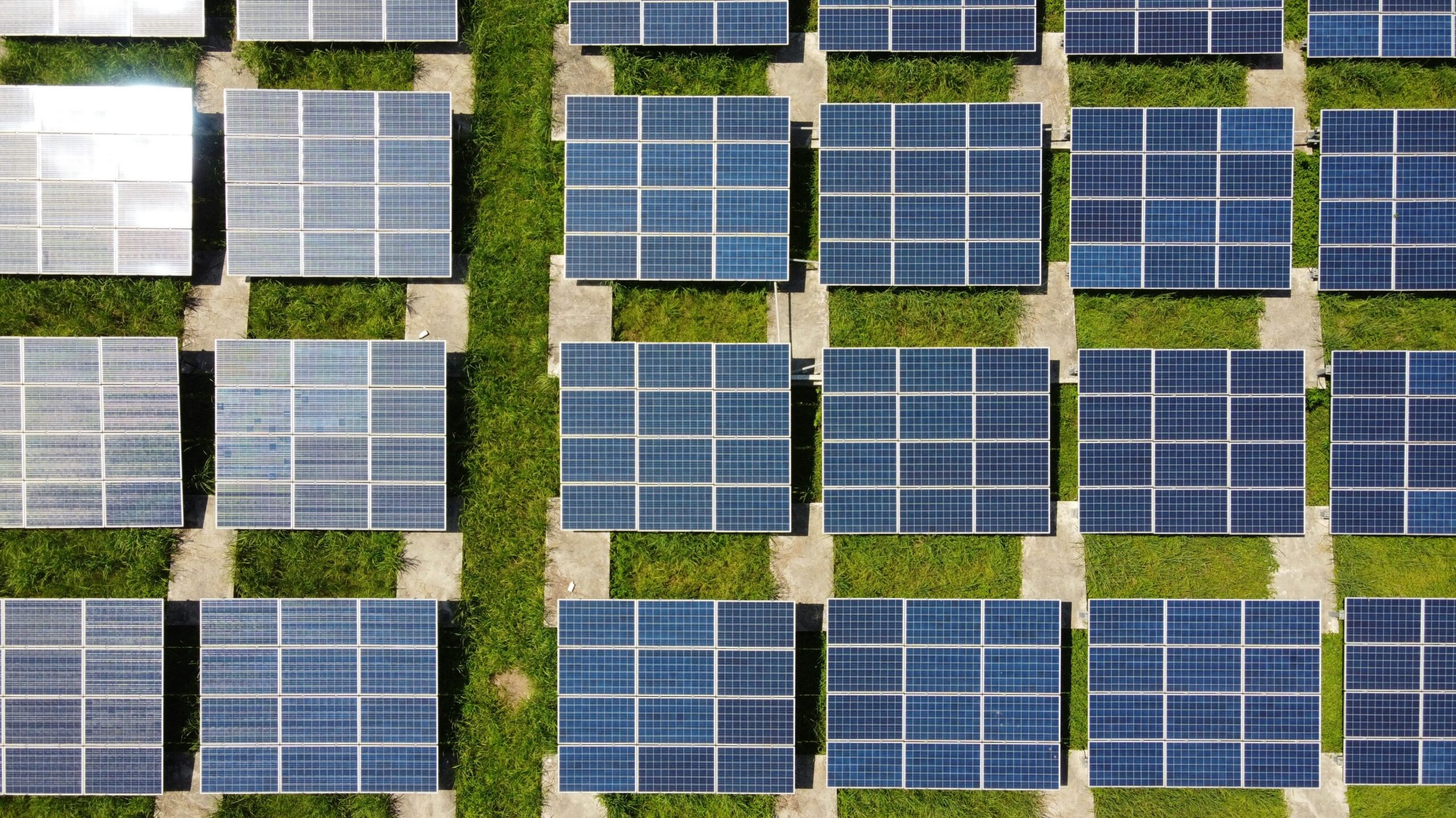
Increased investment in renewable energy, particularly solar, offers a clear pathway toward greater energy security and true independence.
Combining solar power with storage harnesses an abundant and essentially inexhaustible resource, dramatically reducing exposure to fossil fuel supply shocks and price volatility caused by geopolitical upheavals like the closure of the Strait of Hormuz. Not to mention solar doesn’t come with the same burden the fossil fuel industry carries of increasing financial risk by accelerating climate change impacts. By expanding solar infrastructure—at the utility scale, and through distributed systems like in community solar rooftop systems—America can decentralize its energy grid, create local jobs, and lower greenhouse gas emissions, all while insulating itself from disruptions in distant oil-producing regions. In this way, prioritizing solar energy can help build a resilient, sustainable future less vulnerable to the unpredictable tides of the global oil market.